LANGUAGES & CULTURE
Akan Chieftaincy Academy
The history, traditional kingdoms, royal lines, culture and chieftaincy of four Akan peoples – the Asante, Fante and Nzema of Ghana and the Baoulé of Côte d’Ivoire. 27 modules and 148 lessons: shared Akan foundations (the matrilineal abusua, the stool, ranks and wing chiefs, the queen mother, how chiefs are chosen, installed and destooled, regalia and festivals, the 1992 Constitution), then five modules of six lessons for each people – origins, chieftaincy, succession and governance, culture, and the modern world – from Osei Tutu and the Golden Stool to Mankessim and the asafo, Apollonia and Kundum, Pokou and Sakassou – and a comparison. Every lesson labels its evidence: documented, oral tradition, interpretation, disputed or as reported. An explorer shows each people’s chieftaincy chart, timeline, rulers and places on a map; twelve simulations include putting history in order, building a chieftaincy chart and weighing the evidence; each module ends with a practical challenge for a portfolio you can download.
SEE · RECOGNISE · UNDERSTAND
The objects and people behind the lessons.
179 images: 134 photographs, 3 source documents and 42 labelled AI illustrations. Explore regalia, leadership, textiles, festivals, heritage, family life, livelihoods and food. Three interactive activities let you name the objects, match their uses and spot details in the pictures.
Explore the images →Try picture practice →
New: 50 photographs of ceremonies and traditions →
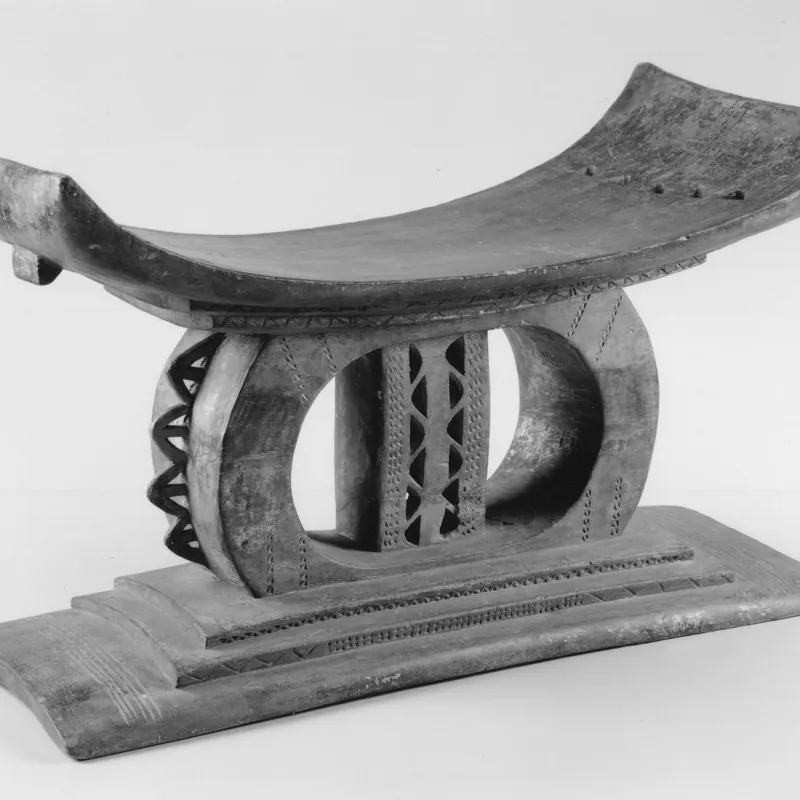
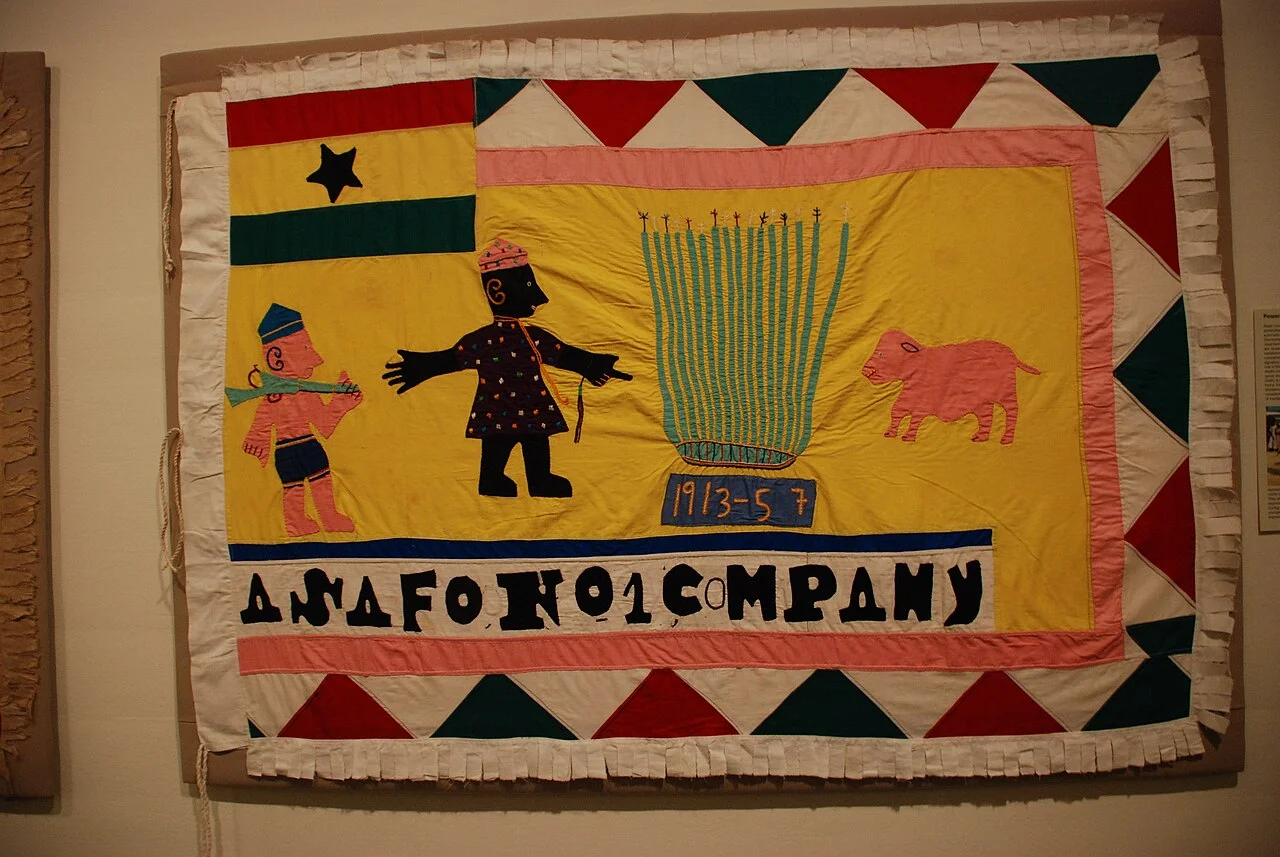
Brooklyn Museum (photograph); artwork by an unidentified artist · CC BY 3.0 · Source and context

Resized, cropped and compressed; full original linked.
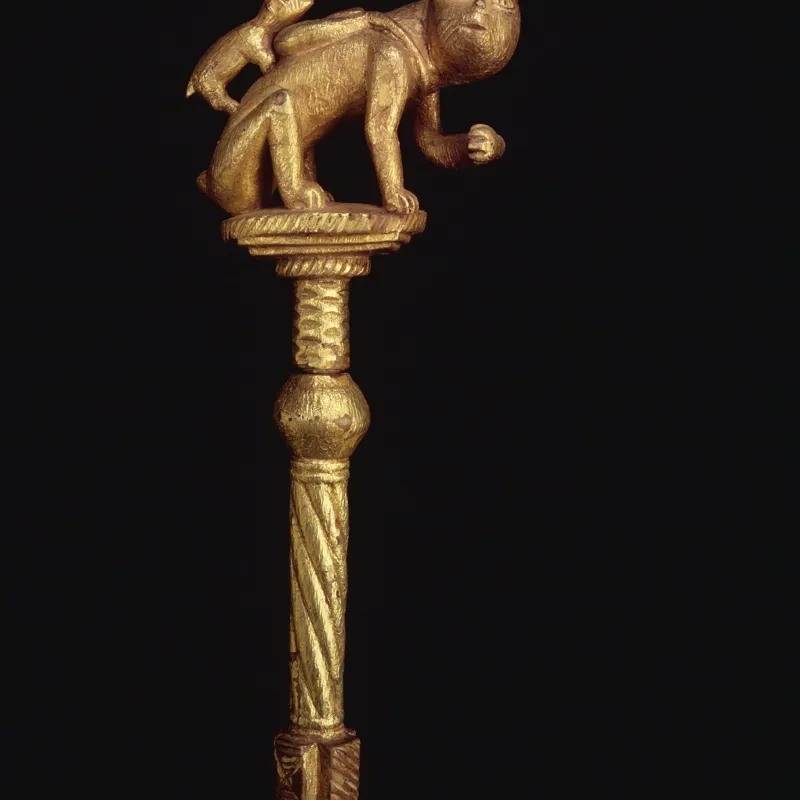
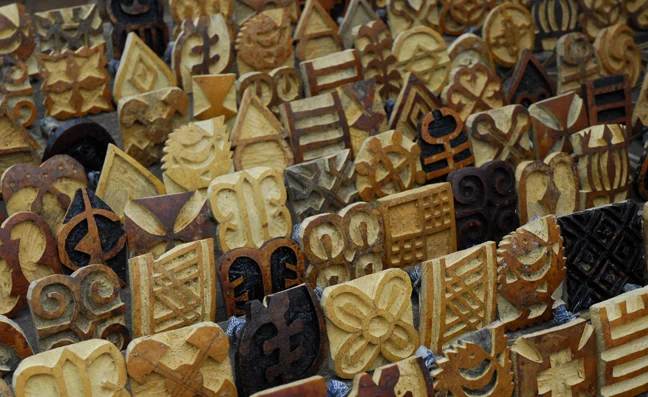
Brooklyn Museum (photograph); artwork by an unidentified artist · CC BY 3.0 · Source and context

Resized, cropped and compressed; full original linked.
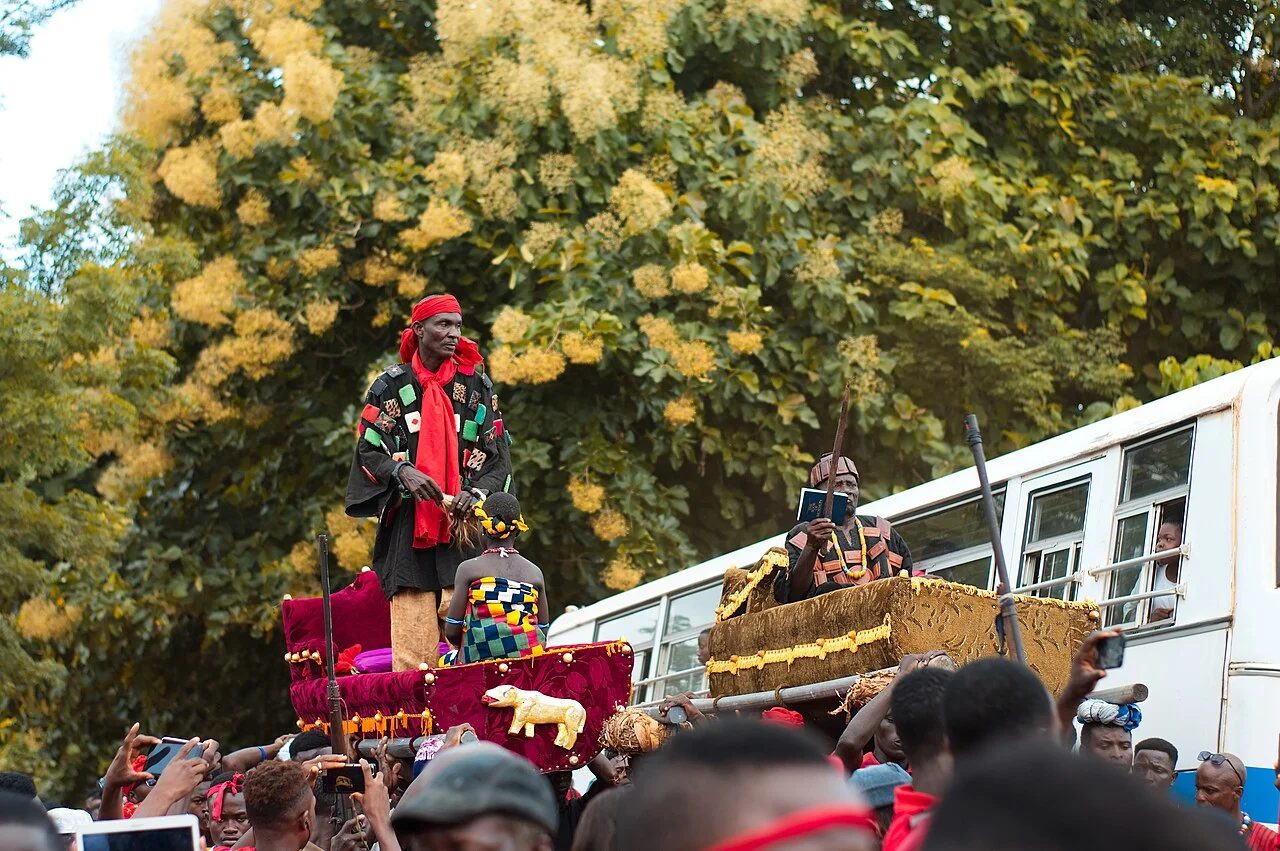
Kwameghana · CC BY-SA 4.0 · Source and context

Resized/compressed; original composition retained.
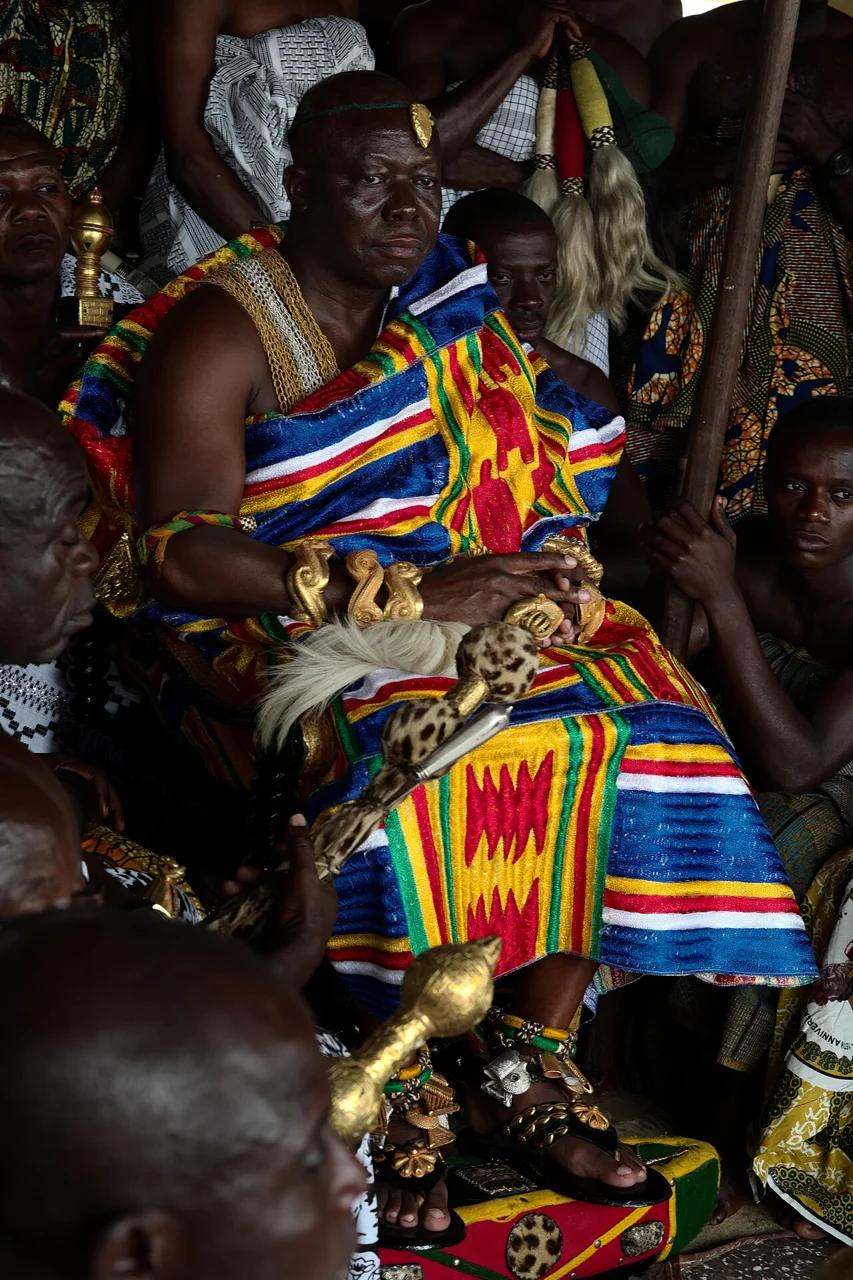
Alfred Weidinger from Vienna, Austria · CC BY 2.0 · Source and context

Resized/compressed; original composition retained.
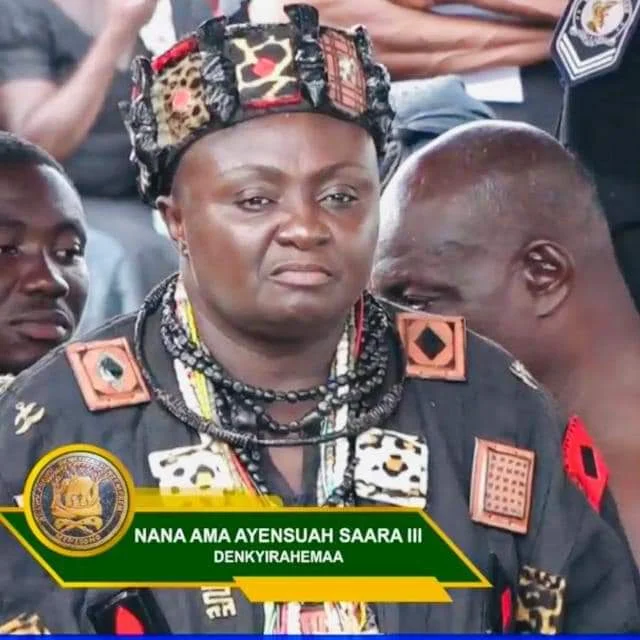
User:Denkyira Adehye · CC0 · Source and context

Resized/compressed; original composition retained.
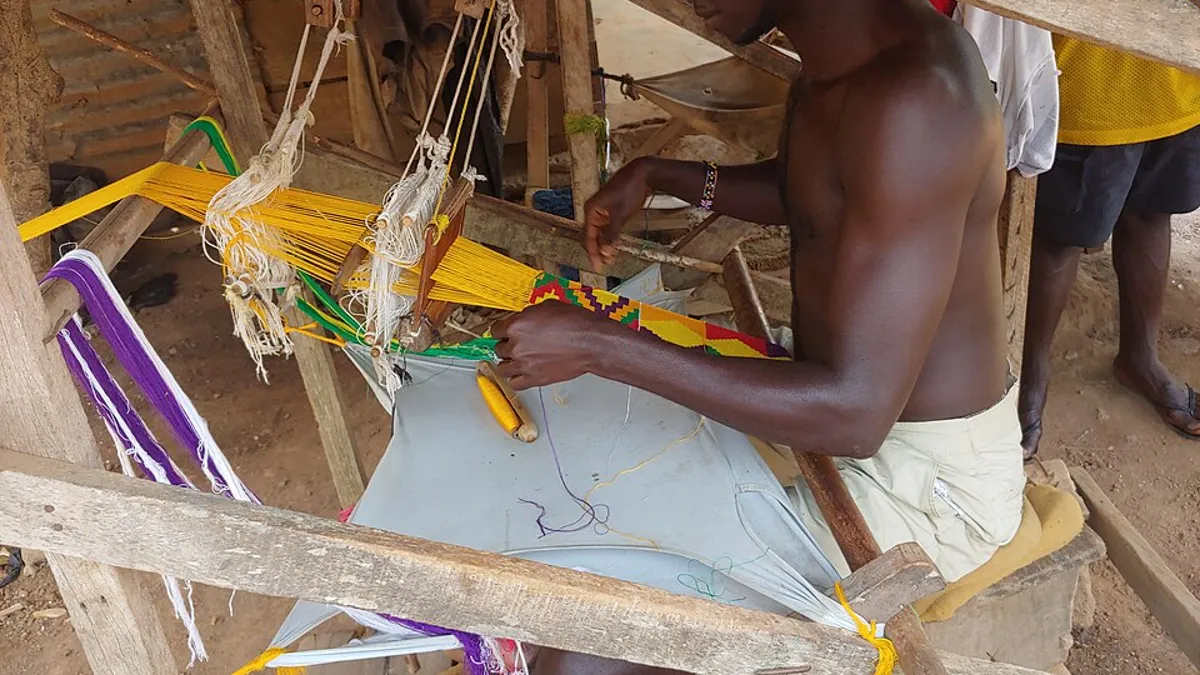
Sadads · CC BY-SA 4.0 · Source and context

Resized, cropped and compressed; full original linked.
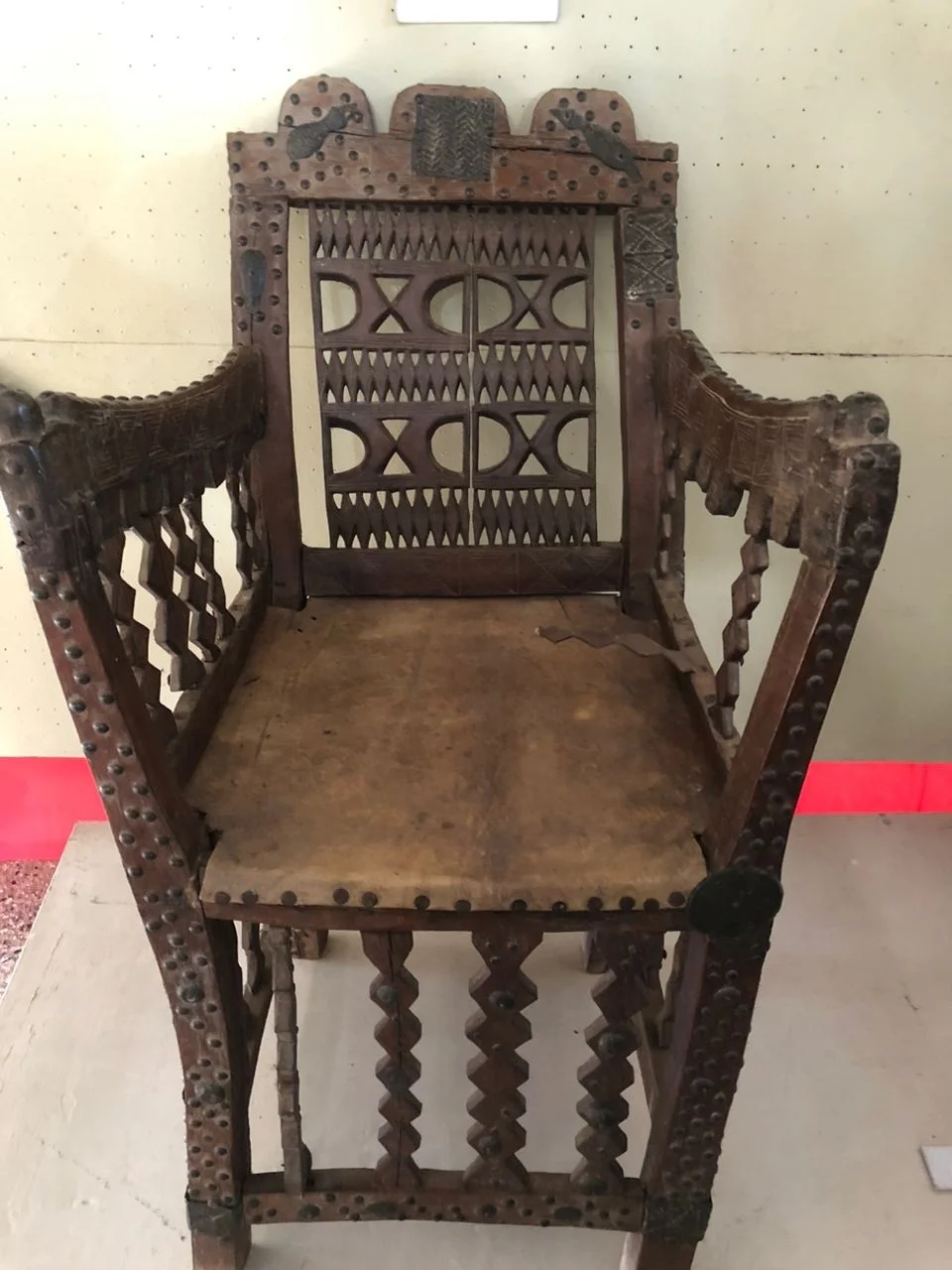
Crystal2025 · CC0 · Source and context

Resized/compressed; original composition retained.
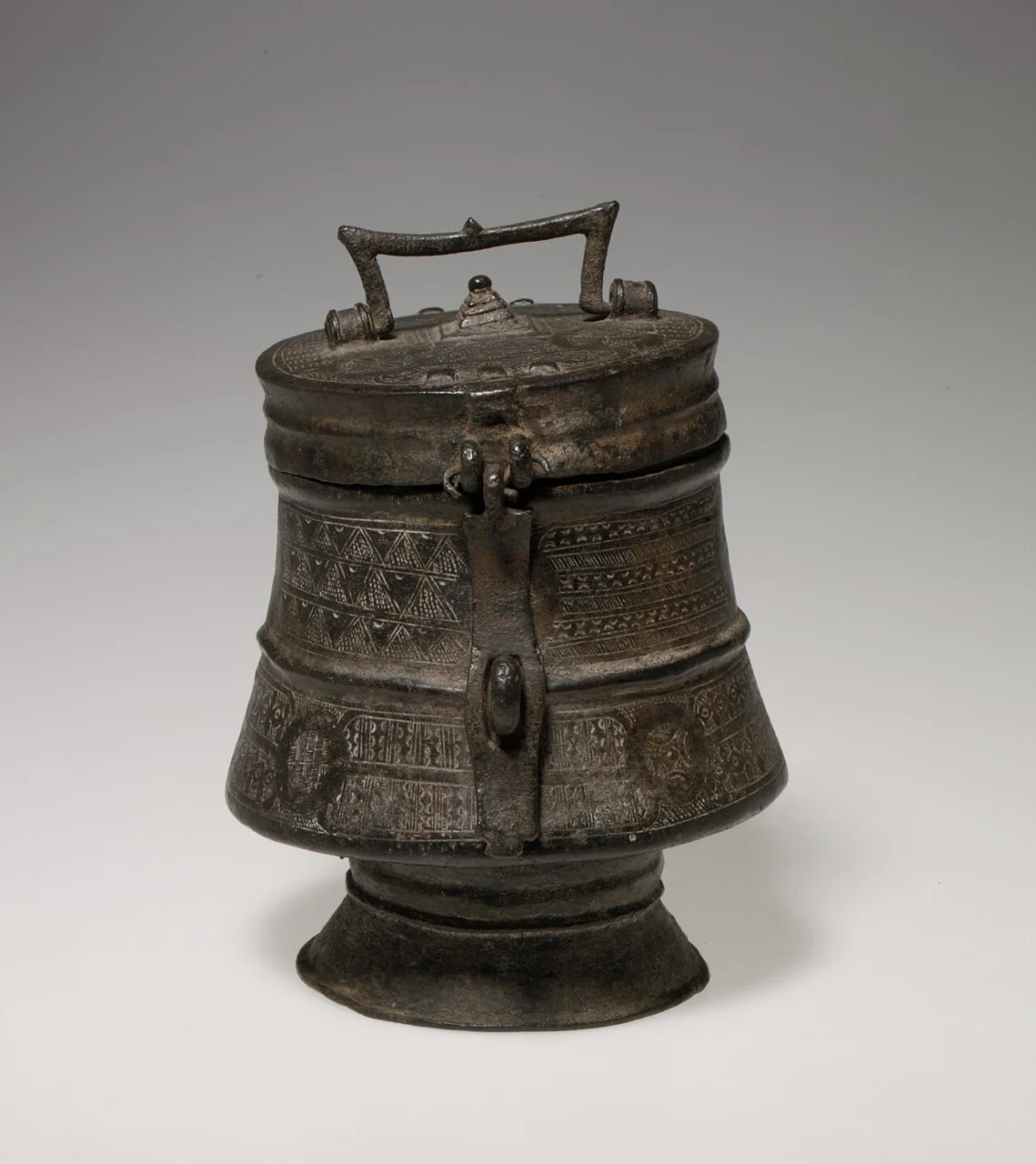
The Metropolitan Museum of Art, Open Access image (CC0) · CC0 · Source and context

Resized/compressed; original composition retained.
Wikipedia Loves Art participant "Team_Yatta" · CC BY 2.5 · Source and context

Resized/compressed; original composition retained.
ArtProf · CC BY-SA 3.0 · Source and context

Resized/compressed; original composition retained.
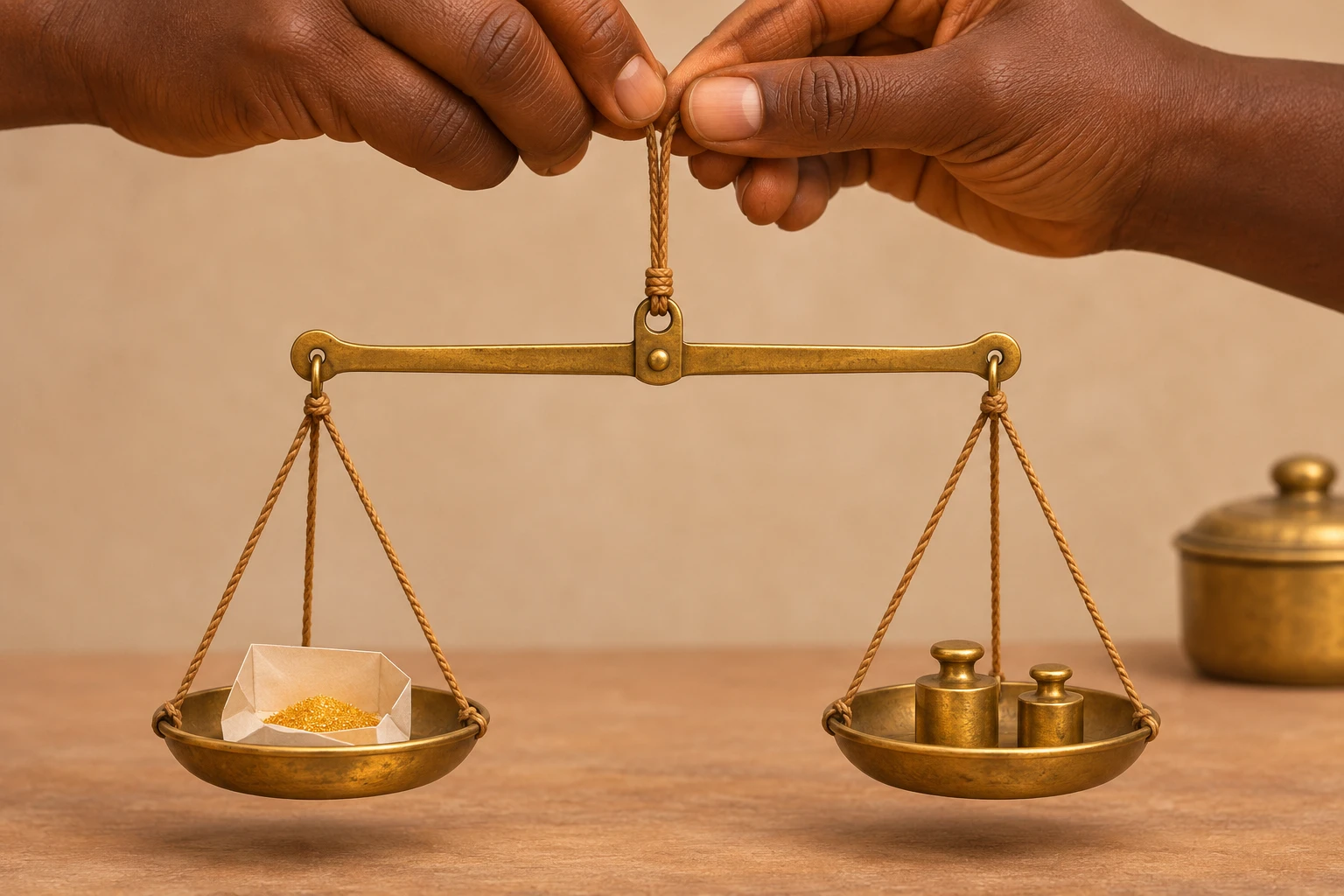
Created with OpenAI imagegen for Akan Chieftaincy Academy
AI illustration, not a documentary photograph. Provenance
Resized/compressed; original composition retained.
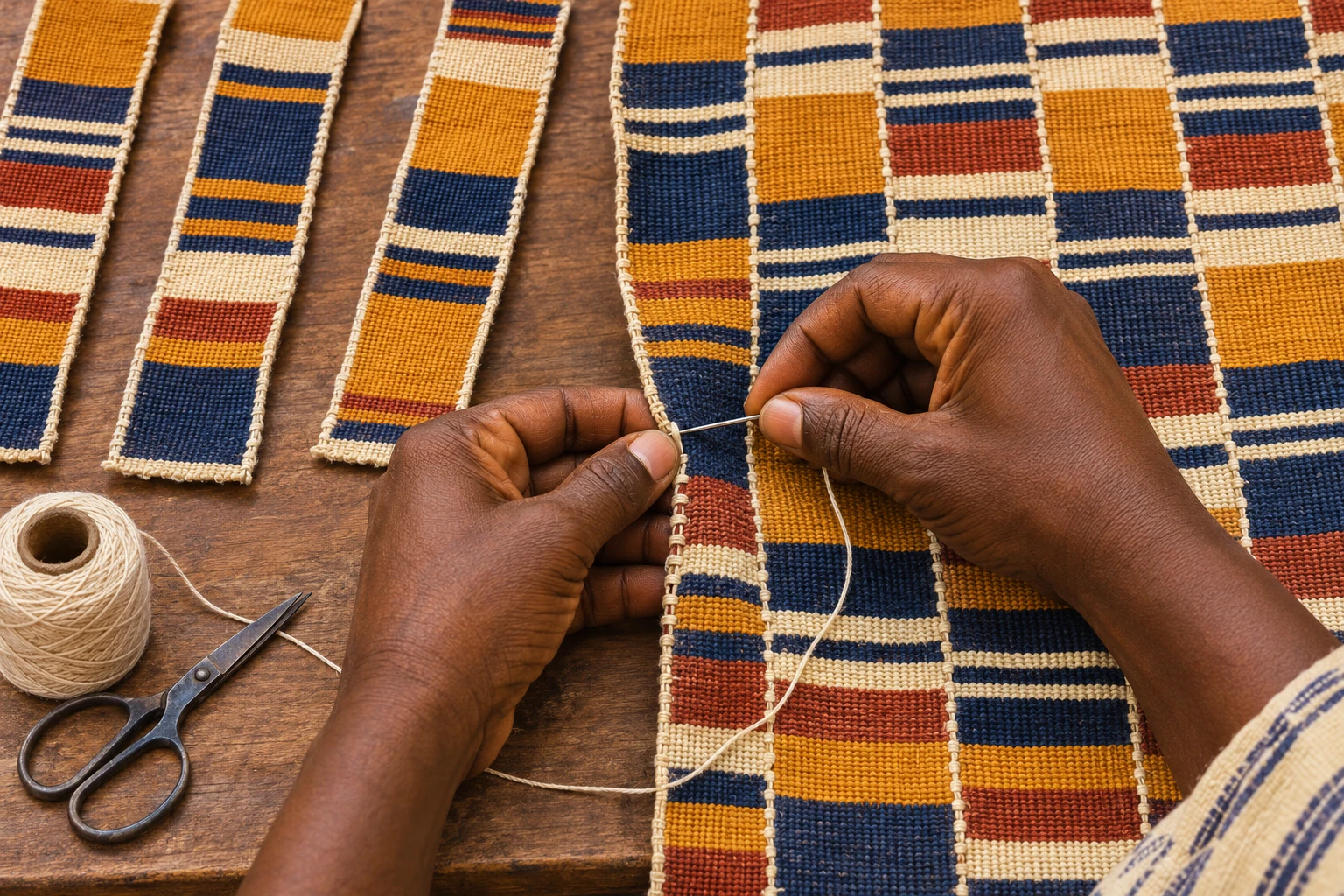
Created with OpenAI imagegen for Akan Chieftaincy Academy
AI illustration, not a documentary photograph. Provenance
Resized/compressed; original composition retained.
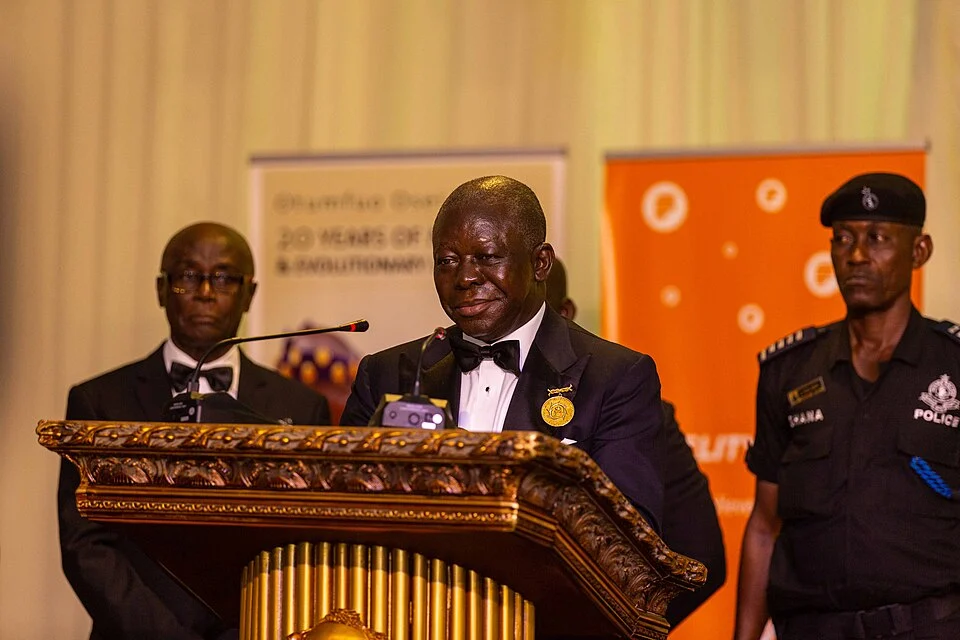
U.S. Embassy Ghana · Public domain · Source and context

Resized/compressed; original composition retained.
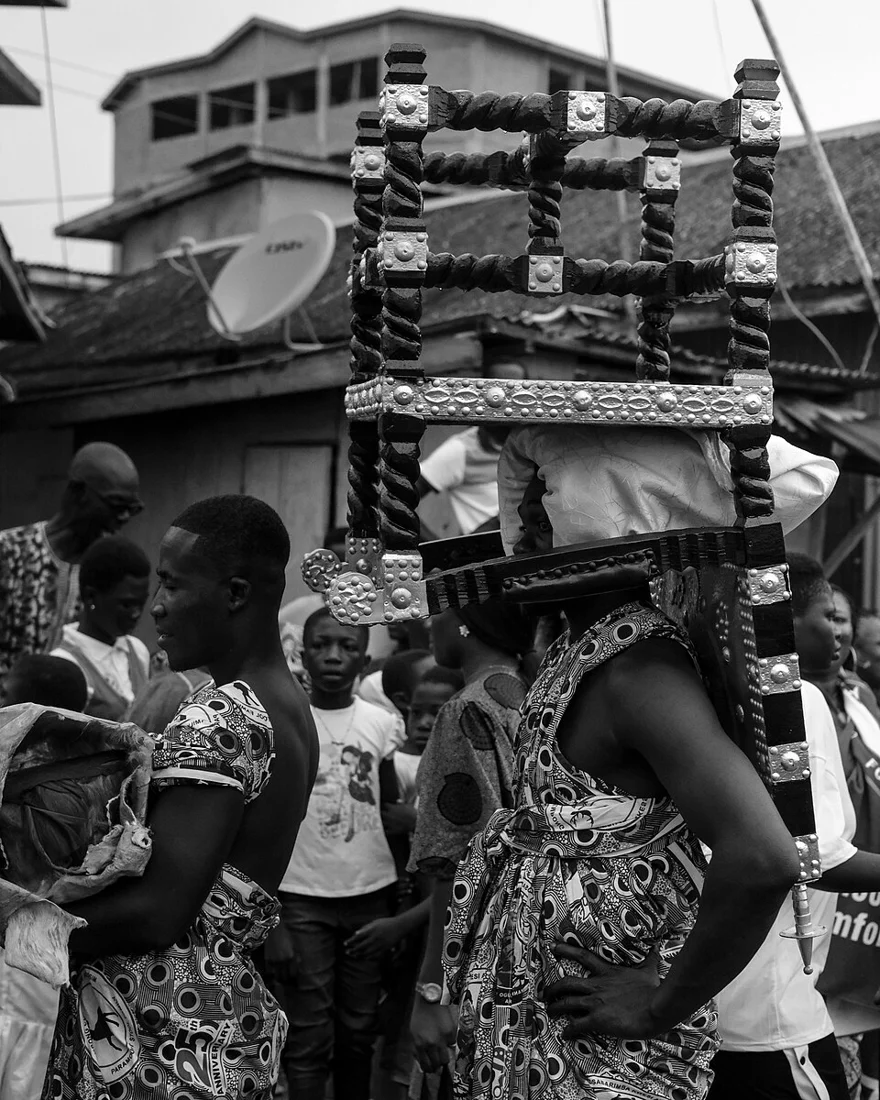
Fiifiabban · CC BY-SA 4.0 · Source and context

Resized/compressed; original composition retained.
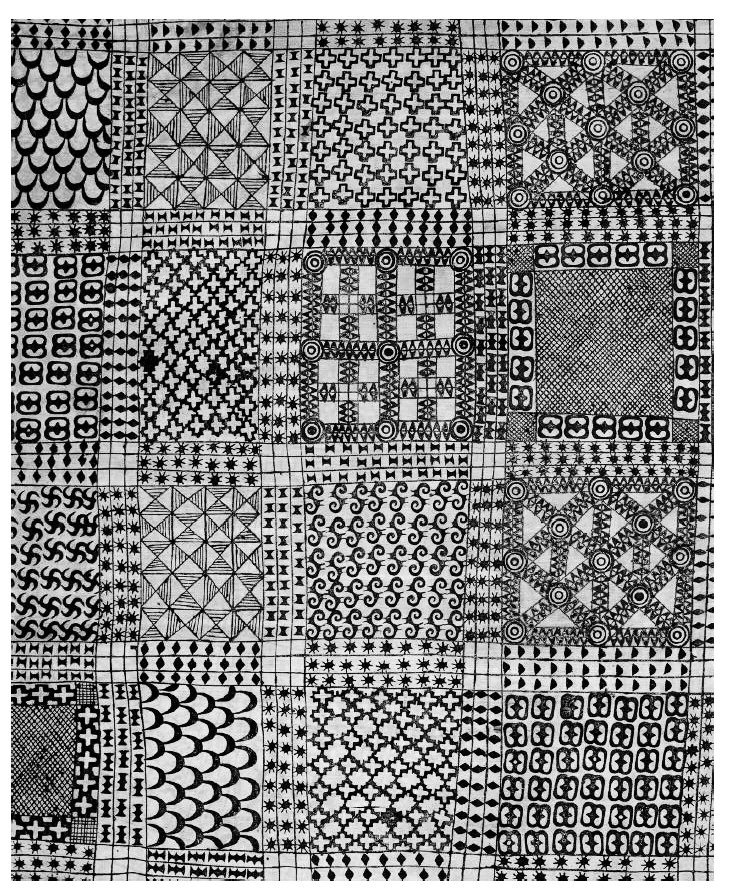
photo of 2D work more than 100 years old · Public domain · Source and context

Resized/compressed; original composition retained.
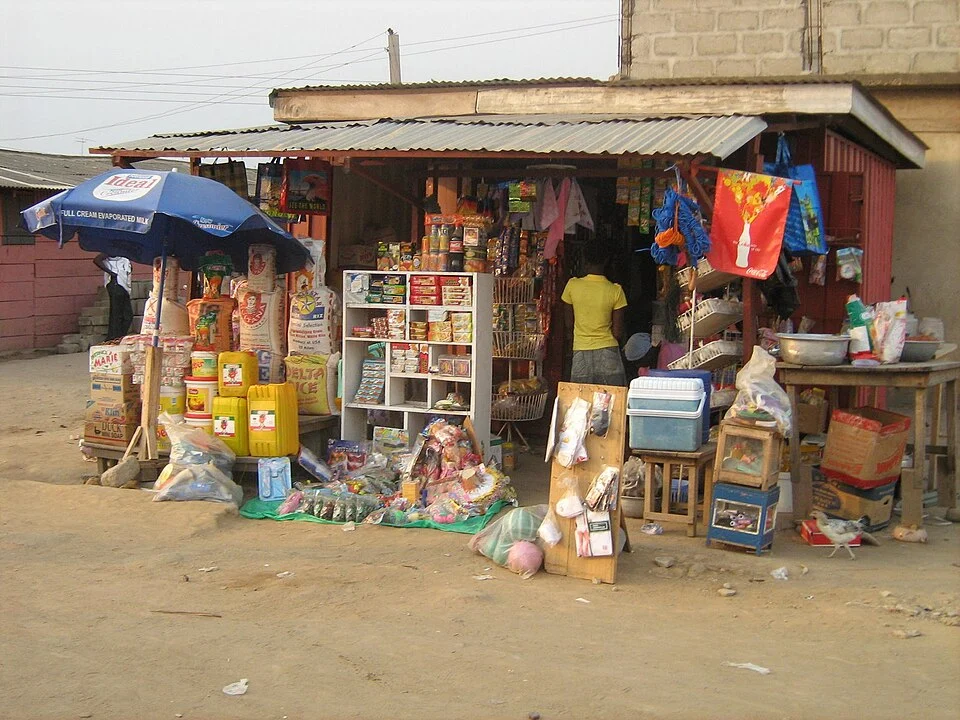
Prekeseghanamedia · CC BY-SA 4.0 · Source and context

Resized/compressed; original composition retained.
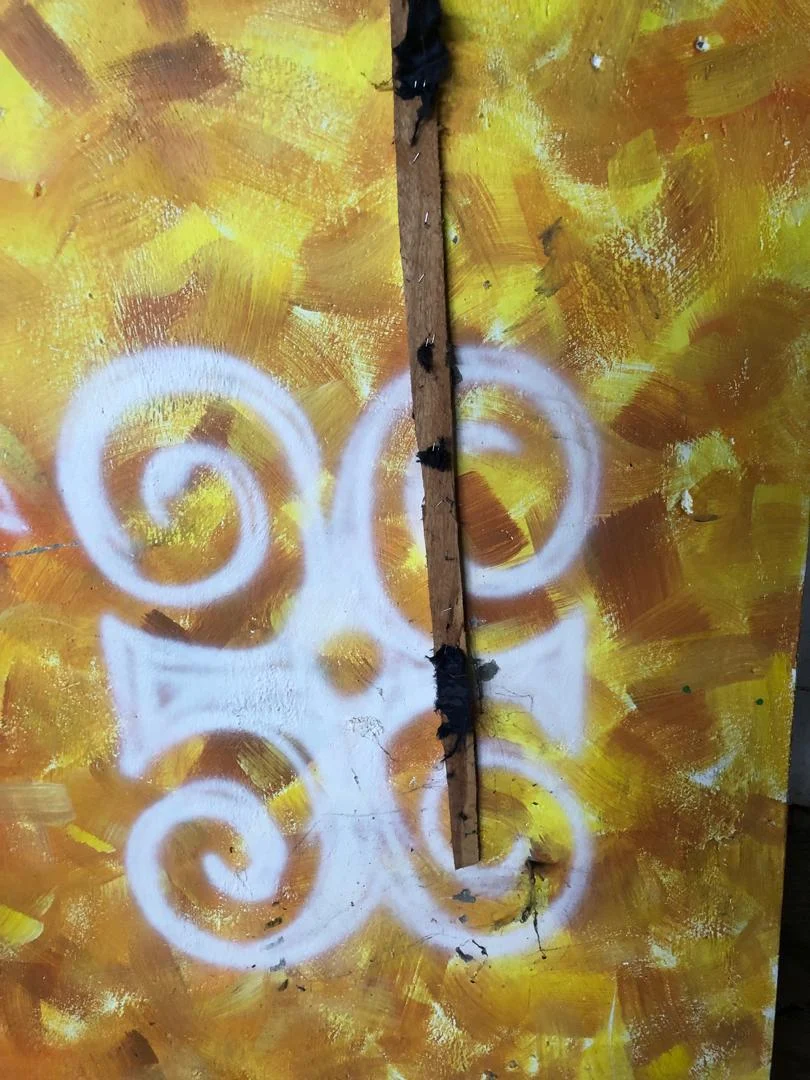
DwAseye · CC0 · Source and context

Resized/compressed; original composition retained.
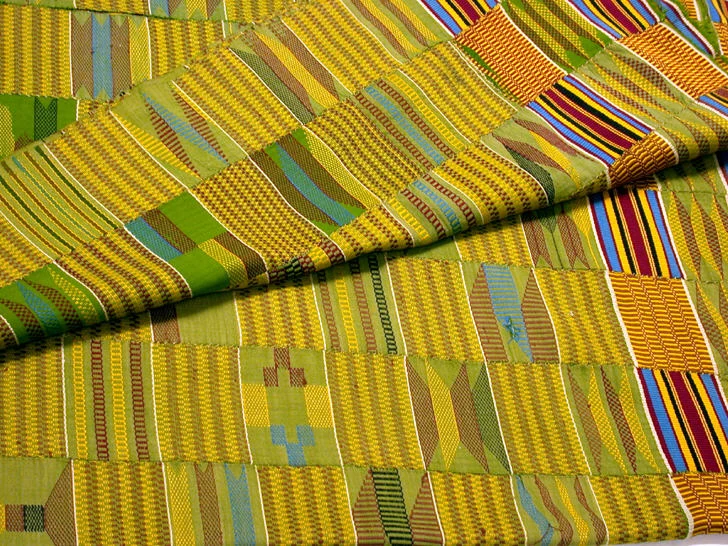
This file was donated to Wikimedia Commons as part of a project by the Metropolitan Museum of Art. See the Image and Data Resources Open Access Policy · CC0 · Source and context

Resized/compressed; original composition retained.
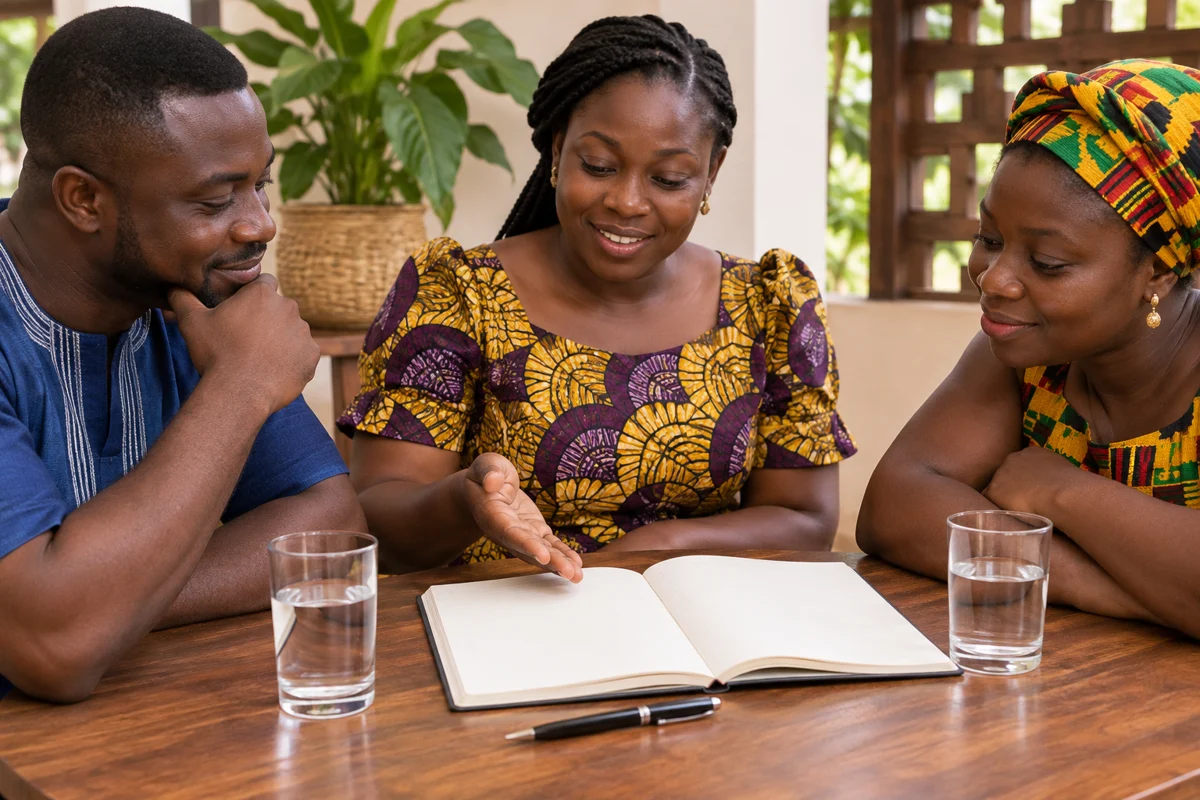
Created with OpenAI imagegen for Akan Chieftaincy Academy
AI illustration, not a documentary photograph. Provenance
Resized/compressed; original composition retained.
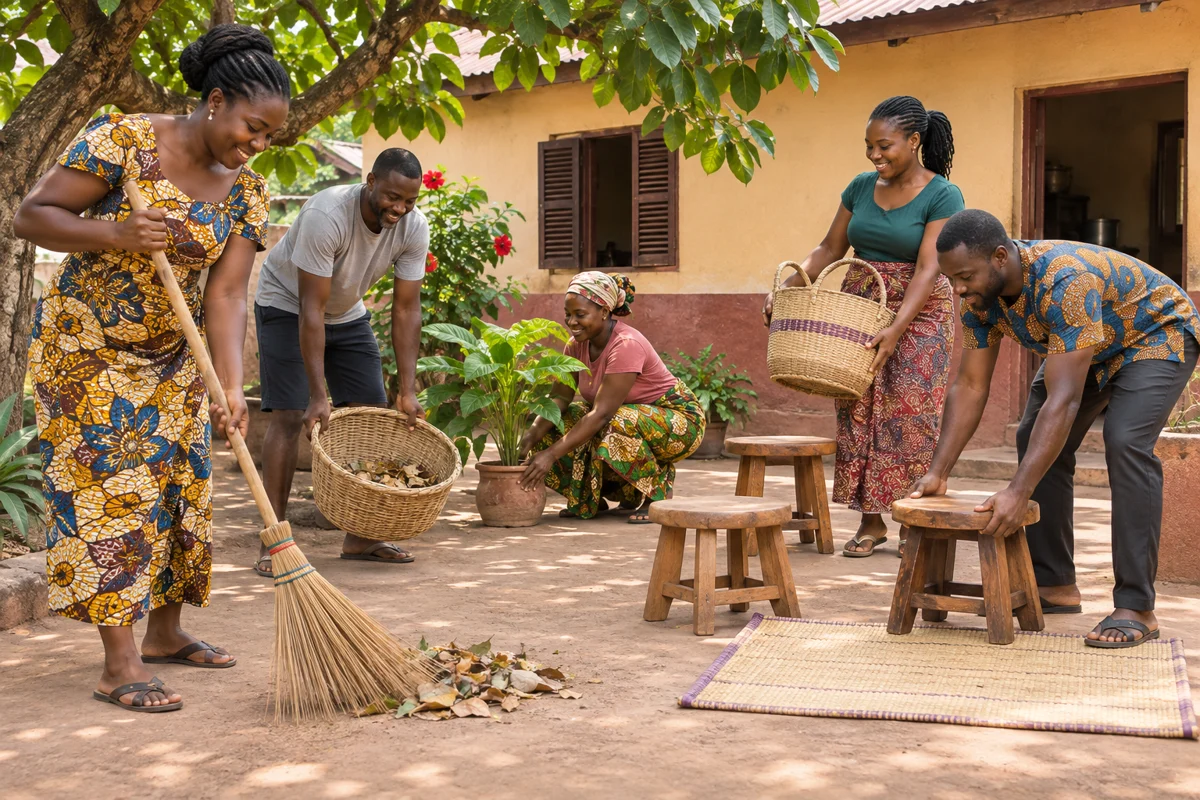
Created with OpenAI imagegen for Akan Chieftaincy Academy
AI illustration, not a documentary photograph. Provenance
Resized/compressed; original composition retained.
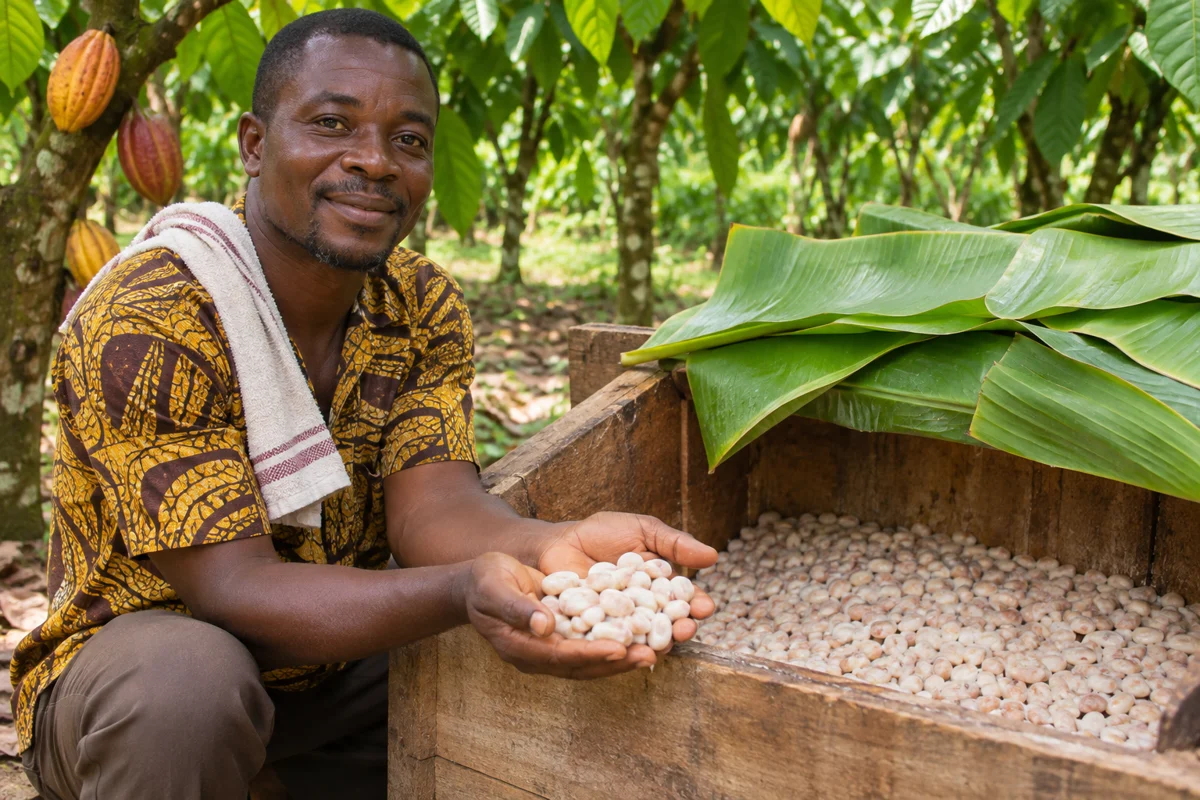
Created with OpenAI imagegen for Akan Chieftaincy Academy
AI illustration, not a documentary photograph. Provenance
Resized/compressed; original composition retained.
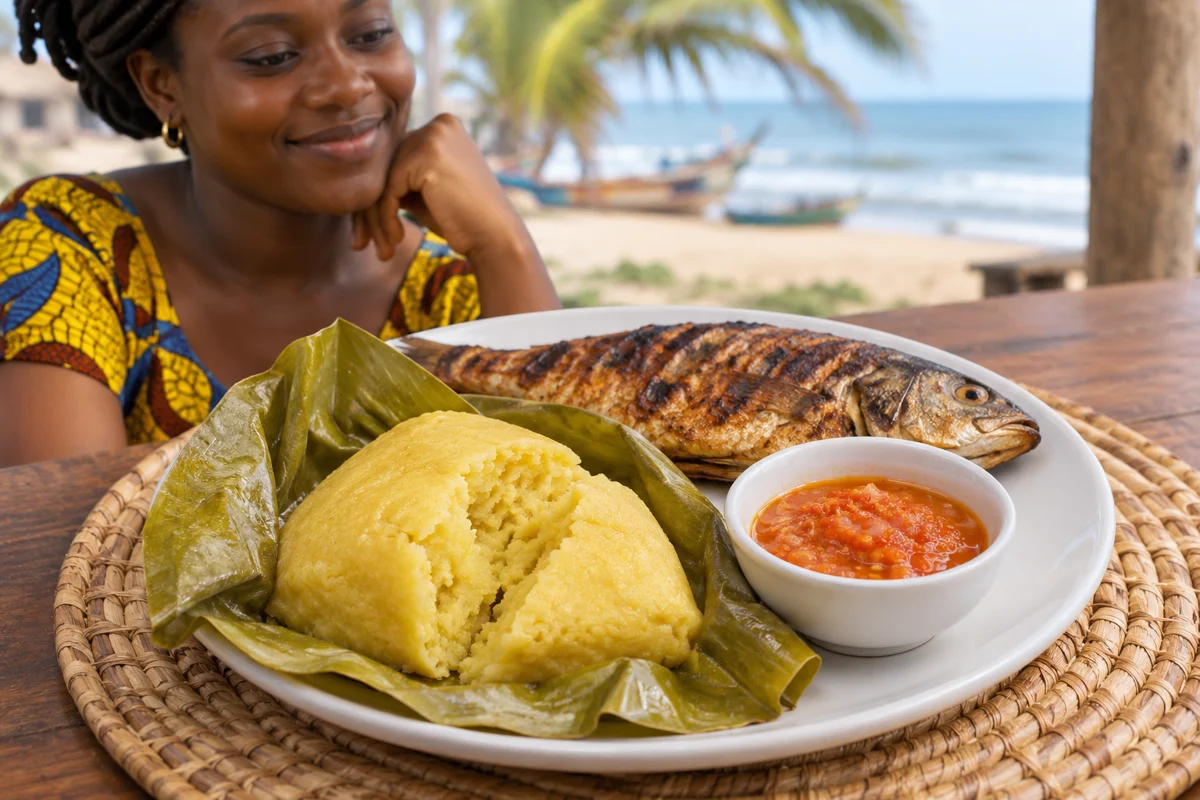
Created with OpenAI imagegen for Akan Chieftaincy Academy
AI illustration, not a documentary photograph. Provenance
Resized/compressed; original composition retained.
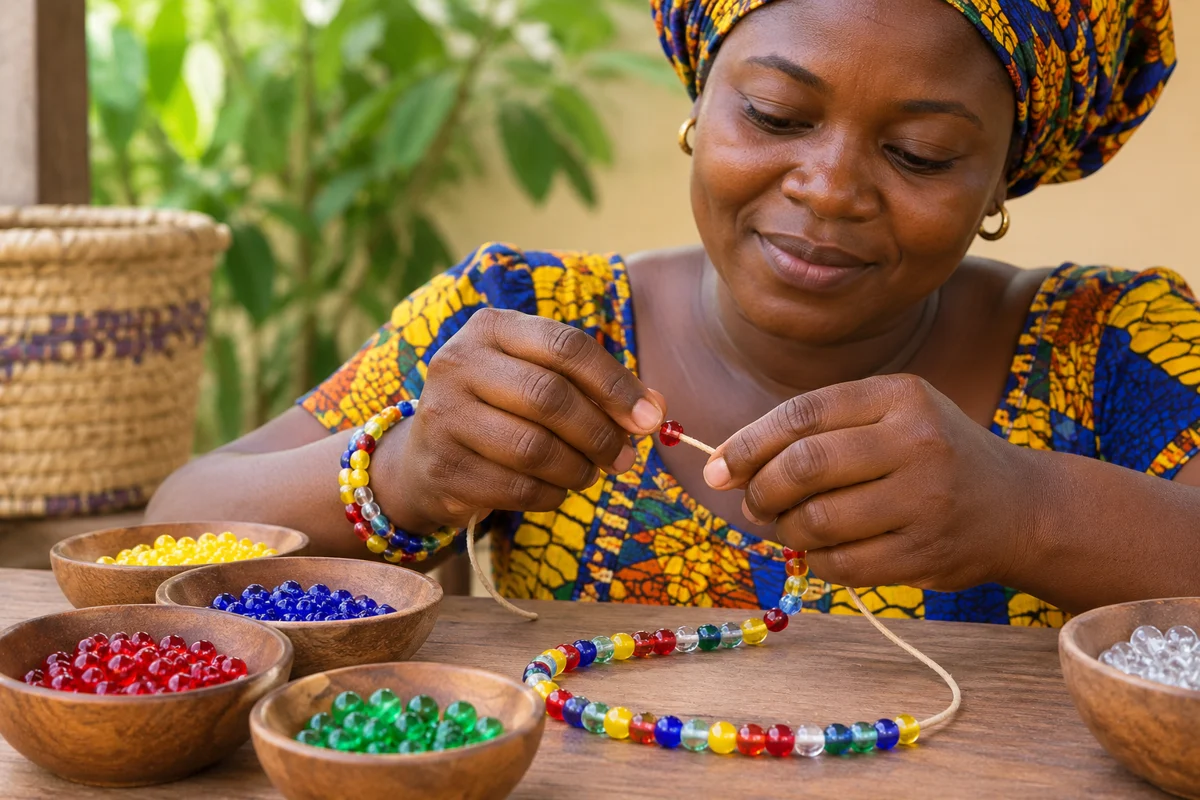
Created with OpenAI imagegen for Akan Chieftaincy Academy
AI illustration, not a documentary photograph. Provenance
Resized/compressed; original composition retained.
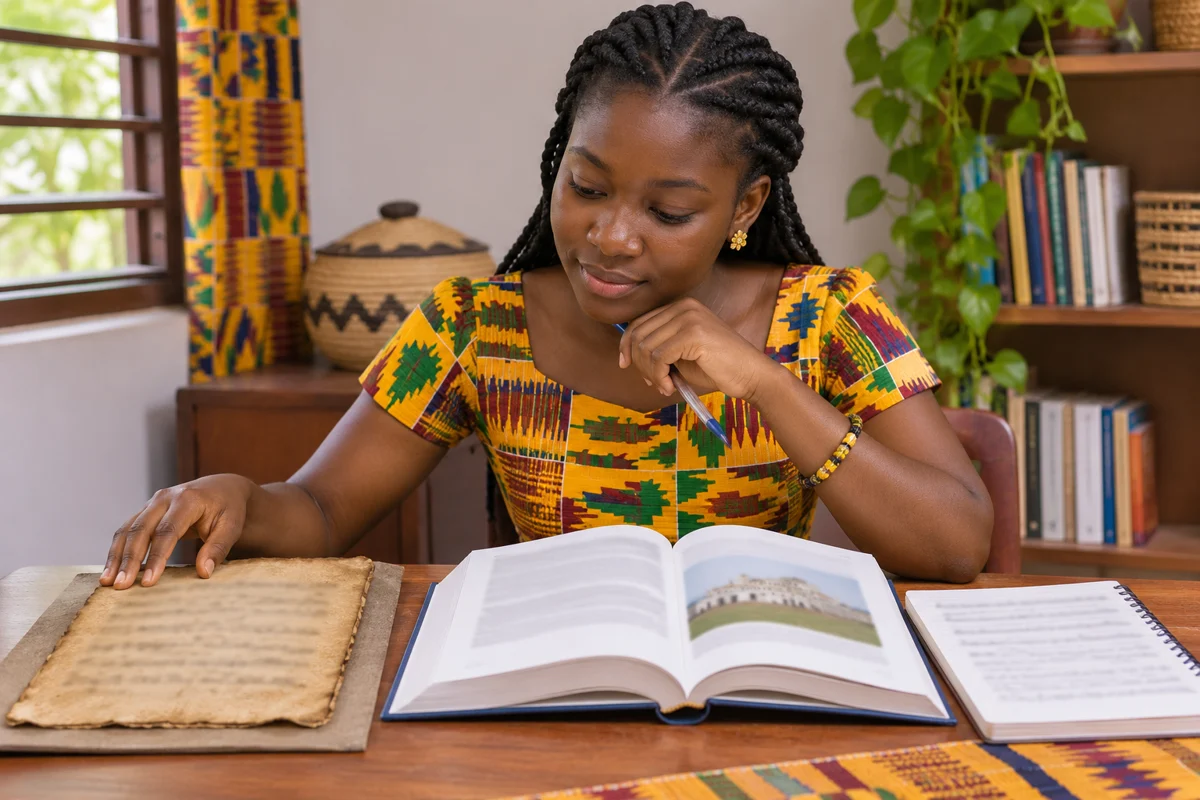
Created with OpenAI imagegen for Akan Chieftaincy Academy
AI illustration, not a documentary photograph. Provenance
Resized/compressed; original composition retained.
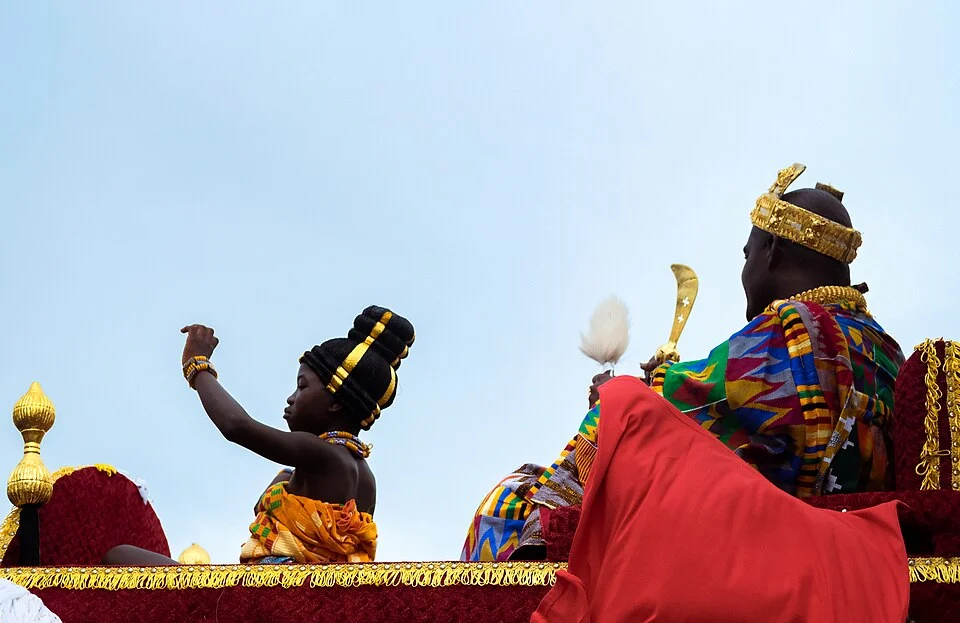
Fiifiabban · CC BY-SA 4.0 · Source and context

Resized/compressed; original composition retained.
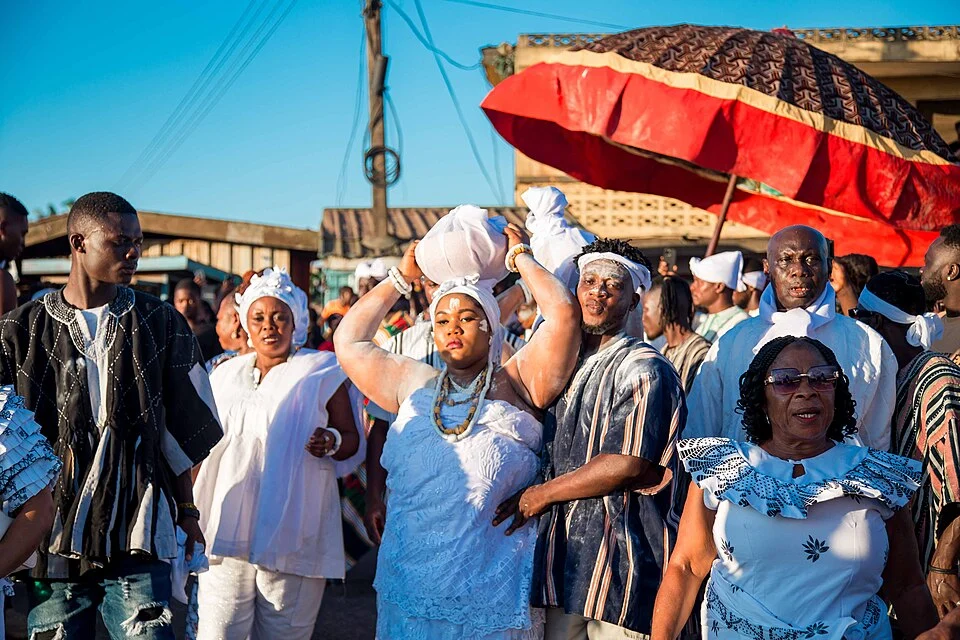
Duncanoff · CC BY-SA 4.0 · Source and context

Resized/compressed; original composition retained.
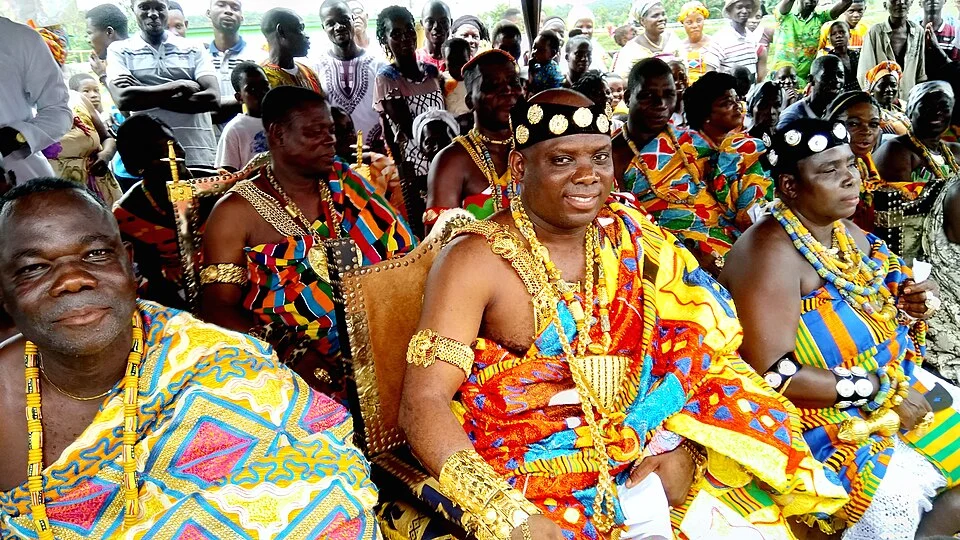
Paul5263 · CC BY-SA 4.0 · Source and context

Resized/compressed; original composition retained.
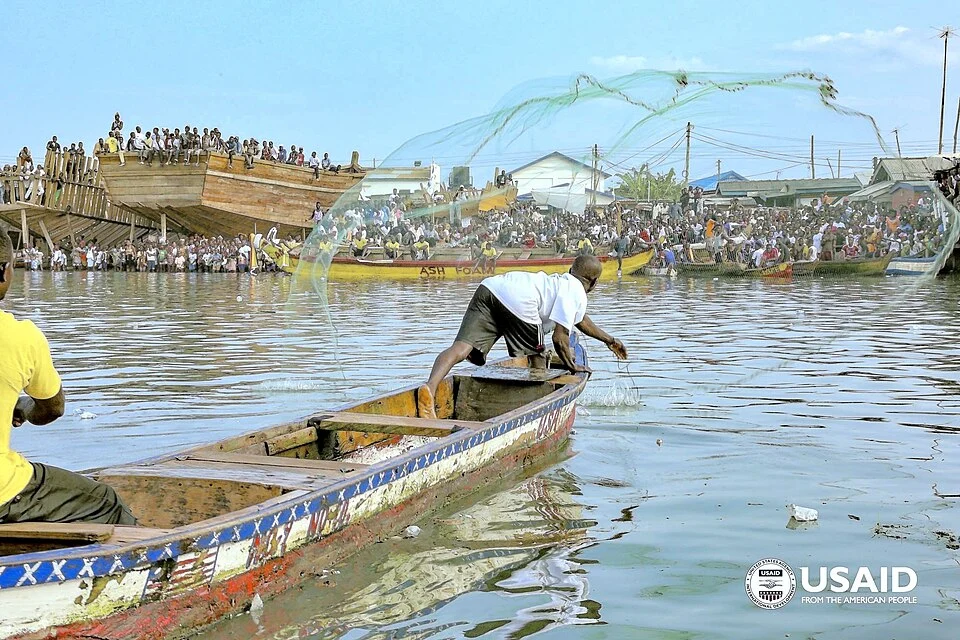
official photographer of the US Embassy in Ghana / USAID in Ghana · Public domain · Source and context

Resized/compressed; original composition retained.
Ready to try · The history, traditional kingdoms, royal lines, culture and chieftaincy of four Akan peoples – the Asante, Fante and Nzema of Ghana and the Baoulé of Côte d’Ivoire. 27 modules and 148 lessons: shared Akan foundations (the matrilineal abusua, the stool, ranks and wing chiefs, the queen mother, how chiefs are chosen, installed and destooled, regalia and festivals, the 1992 Constitution), then five modules of six lessons for each people – origins, chieftaincy, succession and governance, culture, and the modern world – from Osei Tutu and the Golden Stool to Mankessim and the asafo, Apollonia and Kundum, Pokou and Sakassou – and a comparison. Every lesson labels its evidence: documented, oral tradition, interpretation, disputed or as reported. An explorer shows each people’s chieftaincy chart, timeline, rulers and places on a map; twelve simulations include putting history in order, building a chieftaincy chart and weighing the evidence; each module ends with a practical challenge for a portfolio you can download.
YOUR OWN SPACE TO EXPLORE
Languages & Culture
- 148 lessons: five modules each on the Asante, Fante, Nzema and Baoulé
- Explorer: chieftaincy charts, timelines, rulers and a map
- Evidence labels, practical challenges and a portfolio
- A deeper layer in every people lesson: cases, sources, key terms and self-checks; a 229-term glossary
- 12 case studies, 21 biographies, 298 questions and a 40-question final exam
- Images across regalia, leadership, heritage, ceremonies, family life and livelihoods and three picture practice activities
Explore a private demonstration organisation with fictional records. English and French are available in the app's account settings.